Trace
Oct 23, 2025
10 min read
Why your entire value chain struggles to write waste reports.
Here’s the situation. See if you can spot the problem. In corporate waste reporting, the same pattern is everywhere: isolated ESG teams trying their best to assemble end-of-year sustainability reports, all the while missing crucial waste data that only other companies have. Did you spot the problem? Yes, that's right. It’s silos.
You might recognize the problem
No one likes silos. It’s a wonder why we let them happen at all. So what data is each stakeholder missing? What data are other stakeholders asking for? And the ultimate question: why can’t we just share our waste data? If you’re reporting waste for your company and wondering these questions yourself, you will recognize the challenge described in this article. You might even start to understand that there’s a solution; a solution so obvious no one can see it.
Let’s start by unpacking the waste data silos.
Everyone has one piece of the puzzle
If you, the reader, work in the waste management value chain, you will know that there is a major reason for waste data silos. The truth is that the waste stakeholder network is incredibly complex. However, waste data silos have only come to people’s attention in recent years with the introduction of modern sustainability reporting directives. Now any company that produces waste, like a manufacturer or an office tenant, is required to account for that waste. So what do they do?
To get data about the volumes, costs, materials, and emissions generated by your company’s waste, you’ll need to contact your suppliers. Who might that be? Well, you’ll probably need to contact a few.
A complex network
The madness begins. Waste producers are often quite disconnected from the ones managing the waste. Sometimes, this is because of subcontracting. If your company hires a construction company, the construction company will take care of hiring a waste management company, but your company will still have to report that waste. Unfortunately, you have no direct connection to that waste management company, and today they have little reason to spend time and effort sharing the waste data connected to your business. That’s one scenario.
Subcontracting can take many forms. Another common scenario is that waste producers produce their waste in a building that isn’t theirs, like in a commercial office space. What ends up happening is that tenants ask their landlords for waste data. Of course most times the landlords don’t have any data at all, because they defer the responsibility of actually managing the property to a Facility Management partner. And the Facility Management partner may or may not actually measuring and managing the waste beyond collection. that responsibility falls on the waste hauler. Or waste haulers. Plural. The madness continues.
In many cases, several waste management companies are contracted for different kinds of waste or different sites. A waste producer will need separate waste data points from each of them. Then there is the issue of emissions data. Not all waste haulers actually process the waste, so any information about processing, which is essential to get any sort of scientific accuracy to your carbon emissions reporting, will have to come from a stakeholder that manages waste processing and disposal. Pretty messy, no?
Insights per stakeholder
As you can tell, complexity is part of the problem. Another part of the problem is that there is no straightforward way to share this data. ESG teams start sending out emails and creating spreadsheets at year-end, and every stakeholder is reporting with different codes and formats. Is the waste data really that chaotic? To answer that, let’s break down the exact insights each stakeholder has and what they’re asked to share.
Waste producers
Insights: Waste reporting requirements
Companies that generate waste know what types of waste streams they are required to report. They understand the waste codes they use in their reporting, and even how those codes should be grouped in their final reports. What they also understand are the regulations, like CSRD, or the certifications, like ISO 14001.
Missing insights: Kilograms, evidence
What they rarely have are verified and scientific numbers. How many kilograms? What are the percentages? Where is the proof? In complex value chains with subcontractors, the challenge compounds. Take multi-tenant buildings, for instance. Tenants typically just get building averages or quarterly summaries.
Landlords
(Note: Landlords often have their own waste reporting obligations. Their ESG teams may request data from the other stakeholders too.)
Insights: Building-level costs, contract information
In the case of a waste-reporting office tenant, landlords need to be considered. The landlord defines how the waste is managed. They know the Facility Management provider they employ, which Waste Management company collects the waste, what’s included in the service contract, and how much the building pays for disposal. In sum, they understand the costs. Waste costs are useful for spend-based estimates and even for other, non-ESG related waste reporting.
Missing insights: Kilograms, evidence, tenant-level breakdowns
What landlords don’t often have are the actual waste weights and codes. Even large property owner or asset managers could be missing these numbers, despite the fact that they may need to report this data as well. Landlords turn to their property management partners. Sometimes they get that data, sometimes they don’t. What they almost never have is visibility into how that waste breaks down across tenants. They can’t say which tenant generates which kind of waste, how those volumes change over time, or how habits differ across their buildings. They’re left unable to offer quality waste data to tenants asking for it, nor do they have any quality waste data for themselves.
Facility managers
(Note: Facility management firms often have their own waste reporting obligations. Their ESG teams may request data from the other stakeholders too.)
Insights: Sorting quality, tenant-level waste collection
In the case of a waste-reporting office tenant, facility management (FM) firms also need to be considered. The FM partner’s teams move the waste every day, from office floors to containers. They can check how well each tenant is sorting their waste, and they understand when collections should happen. They are also the ones most likely to get ad hoc requests from tenants or landlords to “please weigh the bins,” because someone upstream needs data for a report.
Missing insights: Reporting standards, waste processing method
While FM teams handle the waste, they often don’t know how to report the waste the way the other stakeholders want it. They don’t know which waste codes to use, how tenants want their waste codes grouped, or what the client’s ESG team expects to see in the final report. And in multi-tenant properties, each tenant could have their own reporting framework, which makes consistent data collection practically impossible. Not only that, communication between FM firms, waste haulers, and waste processers can be very limited, meaning that they also don’t always understand where the waste ends up, how it gets there, or how it’s ultimately processed.
Waste haulers
(Note: Waste haulers and waste management companies often have their own waste reporting obligations. Their ESG teams may request data from the other stakeholders too.)
Insights: Waste weights, fractions, logistics data
Waste haulers work strictly with waste. They are the first stakeholders to generate reliable waste data. If they are modern waste management companies, they are in the business of weighing collections, categorizing waste by fraction, recording timestamps, and they have a direct relation to processing sites. (Larger waste management companies might handle both hauling and processing, of course.) Waste haulers have great data on tonnages, routes, contamination notes, and possibly even carbon intensity per trip.
Missing insights: Waste producer attribution, total waste generated by the waste producer, reporting context
Haulers often need to investigate deeply to figure out exactly who produced the waste they collect, especially in subcontracting situations or multi-tenant environments where containers serve multiple companies. Not to mention, there might be multiple waste haulers per waste producer, so they rarely have the complete picture. Lastly, they don’t know how their data will be used in the waste producer's ESG report, or whether they are applying the right waste codes in whatever data they do deliver.
Waste processors
(Note: Waste processors often have their own waste reporting obligations. Their ESG teams may request data from the other stakeholders too.)
Insights: Material composition, recovery and emissions data
Waste processors, like recycling facilities, hold a critical piece of the waste puzzle. They know precisely what happens to every tonne they receive. They can measure recovery rates, contamination levels, energy use, and emissions from processing. If they are a complete waste processing partner, they can report exactly how much of your waste is recycled, incinerated, or landfilled. Their data is the most scientifically robust in the chain.
Missing insights: Source traceability, upstream ownership, total waste generated by the waste producer
But processors are also often the most disconnected from the upper parts of the value chain. They know almost nothing about the origin of the materials they handle, nor exactly which stakeholders handled it along the way. When a truck arrives, it could contain mixed waste from multiple buildings or contractors. Of course, there’s also a chance that the waste producers waste is handled not by one singular waste processor, but many.
Regulators
Insights: Reporting frameworks, verification criteria
Regulators are in fact an important stakeholder that contribute to waste data silos. They hold insights like upcoming regulations, auditing requirements, and waste data standards that they need to distribute along the value chain.
Missing insights: Consistent waste data for decision-making
Regulators unfortunately rarely have enough information to make confident decisions. Waste data is fragmented across all the other stakeholders. Each one is using different categories, codes, standards, measurements methods, and timeframes. It’s hard to compare one company to the next.
No one can see the whole chain
If your company reports waste, you will know this. All of the stakeholders in the waste value chain know something the others don’t. That's why every company in the chain depends on each other to do quality waste reporting. But because of the complex stakeholder network and poor communication along the chain, most value chains end up with waste data silos. Every stakeholder is working harder to produce worse results. So what is there to do about it?
More data transparency is the answer. For everyone who needs access to that data. Sharing waste data more openly will create better results faster for everyone. If your company's waste data was shared in real time, everyone could stop focusing on waste reporting, and start focusing on turning their waste insights into business value.
Connecting the chain
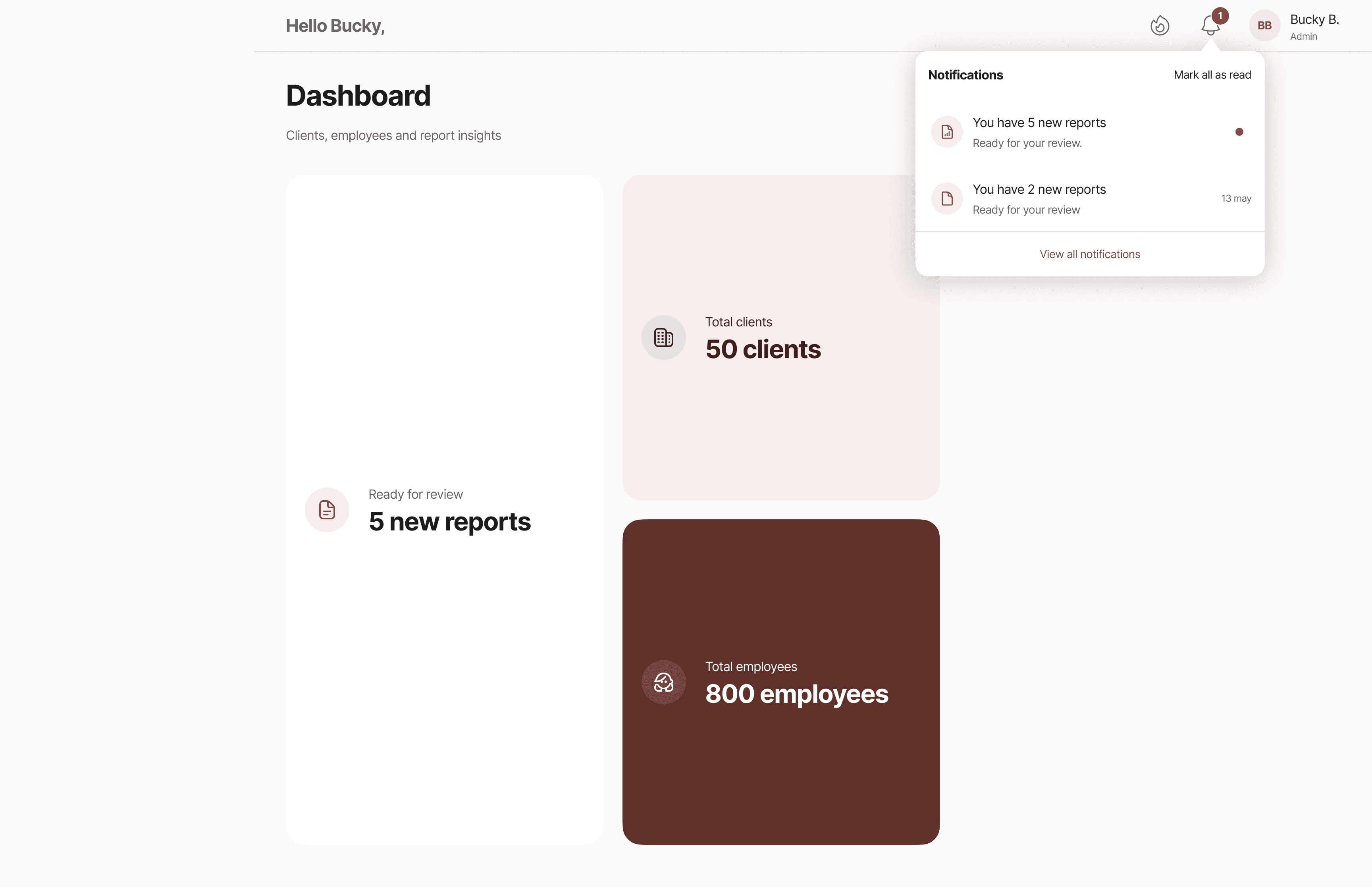
We want to connect stakeholders in the waste value chain, and we are starting with the problem of waste reporting for property managers. We have created a simple digital tool to replace a less-than-ideal method of tracking office tenant waste. Before, cleaning staff was asked to write handwritten waste notes and create spreadsheets for the data. Now, Trace can be used to log waste pick-ups and instantly generate ready-made reports for all the stakeholders that need it.
The benefit of Trace is that the platform handles waste code management for you, so the waste data you receive is already organized according to your reporting preferences. Every stakeholder sets the European Waste Codes they report. Trace makes sure that’s what they get.
Recognize the challenge?
If you recognize the challenge of sharing waste data, and you want to automate your waste reporting, we would love to hear from you. Just send us an email at contact@traceinsights.io. We are currently looking for innovative waste management companies and property management companies that are ready to become early testers.